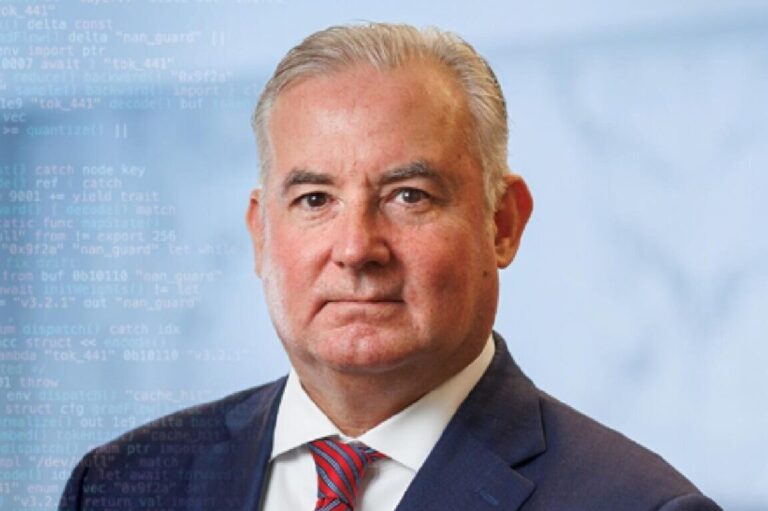
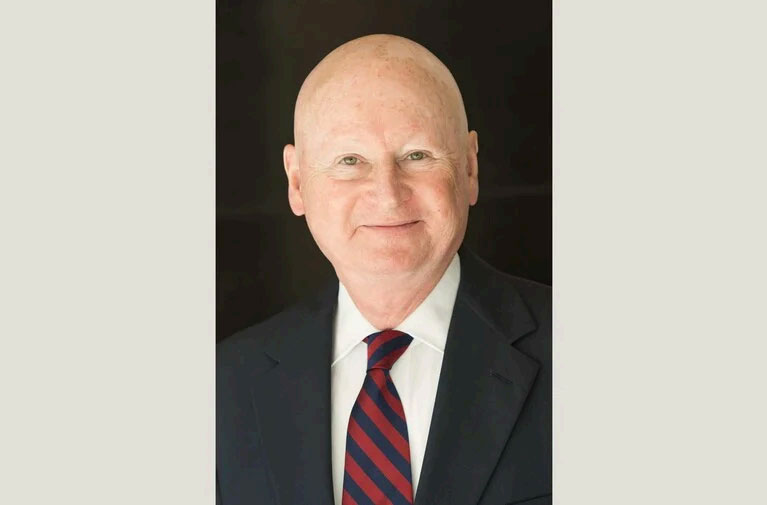
Attorney Donald A. Kress, chairman of the board and chairman of the trust administrative committee at Coral Gables Trust Company, said litigators often underestimate the risks clients face after receiving large sums. “Very often, [the litigants] are taken advantage of by other parties,” he said, adding that funds “could be dissipated fairly quickly” without safeguards.
April 28, 2026 at 05:01 PM
By Lisa Willis
For trial lawyers, the verdict is often seen as the finish line. But for clients, especially those recovering from catastrophic injuries, it can mark the beginning of a far more complex legal and financial journey. That transition is where fiduciary planning becomes critical.
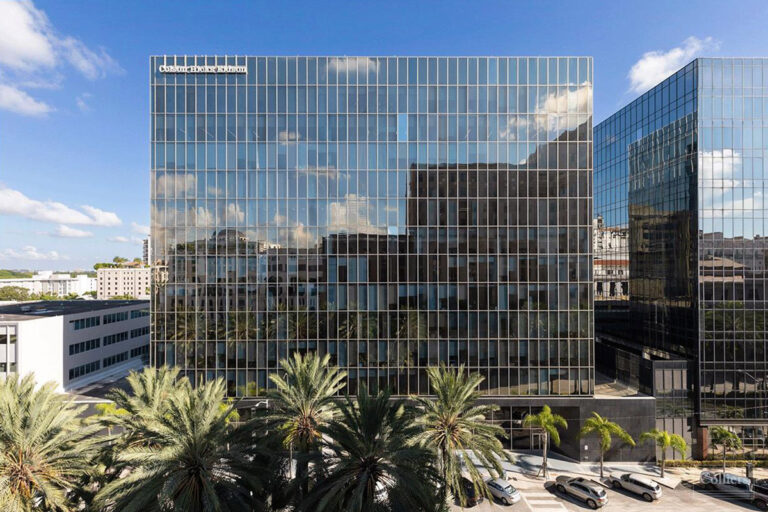
Coral Gables Trust Company is one South Florida trust company that oversees more than $3 billion in trust assets. Within its special needs trust division, attorneys are finding a key partner in helping clients preserve settlements and long-term stability.
“Well, attorneys need to understand the importance of protecting the client who’s received some sort of significant settlement,” said attorney Donald A. Kress, the company’s chairman of the board and chairman of the trust administrative committee, in an interview.
The firm’s name recently surfaced as a co-defendant in the latest Jimmy Buffett estate litigation filings in Palm Beach County. Coral Gables Trust CEO and president Richard DeNapoli clarified the complaint does not specifically seek relief against Coral Gables Trust.
“We are named solely for procedural reasons as a current co-trustee and, as such, are considered an indispensable party,” he said in an interview.
Kress emphasized that such involvement is often procedural.
“We are what is known as a legally necessary party to the proceeding,” he said. “It’s not like we did anything wrong. We’re simply holding assets and administering them.”
Beyond the Verdict
While the Buffett saga involves a different type of trust, special needs trusts—which Coral Gables Trust also handles—have become essential in high-value personal injury and medical malpractice recoveries. These irrevocable trusts are designed to safeguard proceeds while maintaining eligibility for government benefits.
“A special needs trust is a form of irrevocable trust created, typically, with proceeds from either an inheritance or maybe some sort of personal injury action,” Kress said.
Without proper structuring, a large award can disqualify a client from programs such as Medicaid or Supplemental Security Income.
“If a person has substantial individual assets, they won’t qualify as a disabled person to receive governmental payments until they’ve used up virtually all of their individual assets,” Kress said. “That makes post-verdict planning as critical as the litigation itself.”
The Florida Bar Framework
While no single Florida statute governs what attorneys must do after a major recovery, ethical rules from The Florida Bar provide a framework.
Under Rule 5-1.1, lawyers must safeguard client funds, notify lienholders such as medical providers, hold disputed funds in trust and promptly disburse undisputed amounts. Attorneys must also advise clients on legal obligations tied to liens and cannot assist in concealing assets from creditors.
At the same time, the rules limit what lawyers can do directly. Under Rule 4-1.8(e), attorneys are prohibited from providing financial assistance to clients, reinforcing that long-term financial protection requires coordination with other professionals.
How Special Needs Trusts Work
The structure of a special needs trust is highly technical. To qualify, it must supplement—not replace—basic needs covered by public assistance.
“The trust itself can’t provide for the very basic needs of [a] disabled person,” Kress said. Instead, funds are used for quality-of-life expenses such as uncovered medical care, rehabilitation, transportation and housing modifications.
These trusts can be funded either by the injured individual (first-party) or by a third party, such as a parent or relative. The distinction affects whether remaining funds must reimburse government benefits at the trust’s termination.
A Lawyer’s Fiduciary Role
Kress said litigators often underestimate the risks clients face after receiving large sums.
“Very often, [the litigants] are taken advantage of by other parties,” he said, adding that funds “could be dissipated fairly quickly” without safeguards.
For that reason, he urges attorneys to act proactively.
“If you’re an attorney who’s got a big win like that, to do the best job for your client, you really, really need to consider getting the funds locked up in some sort of special needs trust,” Kress said.
He added that litigators should work with specialists rather than attempt to structure trusts alone.
“Some of these attorneys are litigators … but they would want to consult with … a special needs trust attorney,” he said.
In many cases, a hybrid approach—pairing a family member with a professional trustee—offers both personal insight and fiduciary expertise, he added.
More Than Special Needs
Coral Gables Trust operates across a broader fiduciary landscape, administering family trusts, charitable entities and estate planning vehicles designed to activate upon incapacity.
“Oftentimes, individuals name us as a co-trustee … because they’re aging and they know that if they become physically or mentally disabled, they would want [us] to pick up,” Kress said.
The firm also handles directed trusts, allowing outside advisers to retain investment control while the company manages administration.
Stephanie L. Schneider is a board-certified elder law attorney who guides personal injury and trial attorneys and their clients in preserving settlement proceeds when clients receive financially sensitive government benefits.
According to her website, trusts are great tools to help clients achieve a variety of goals, including, but not limited to: avoiding probate of assets at death, reducing estate taxes at death, qualifying for Medicaid assistance, and preserving an inheritance for a beneficiary with special needs or a disability.
“Knowing which trust you need should not be left to chance. Nor should administering a trust when the owner becomes incapacitated or dies,” Schneider said in an interview.
And there are several in South Florida to choose from. Kress said some of Coral Gables Trust’s local competitors include Truist Financial, Wells Fargo and Grove Bank & Trust.
As South Florida continues to attract wealth and litigation yields larger recoveries, the intersection of trial law and trust planning is becoming more pronounced.
For attorneys, said Kress, the takeaway is straightforward:
“Winning a case is only part of the job, and protecting the client’s future may be the more important one.”